Parametric Insurance for Cargo Transport: Utopia or Opportunity?
- Blog
- José Luis Anselmi
- AssitCargo
- 03/12/2024
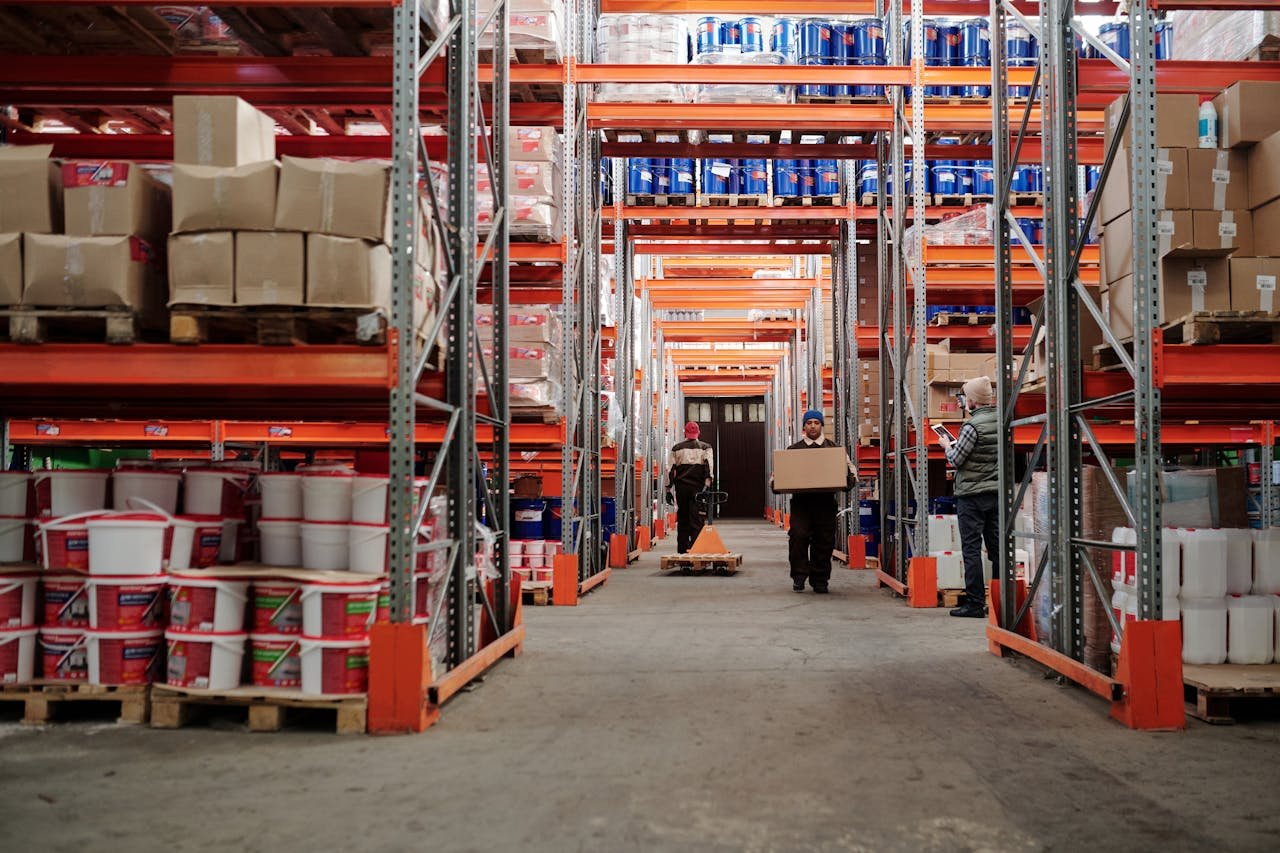

The text analyzes parametric insurance for cargo transport, its historical evolution, Colombia’s Law 2294 that enables its use, the role of technology in cargo monitoring, and the actuarial challenges, concluding that it represents an innovative opportunity with implementation challenges.
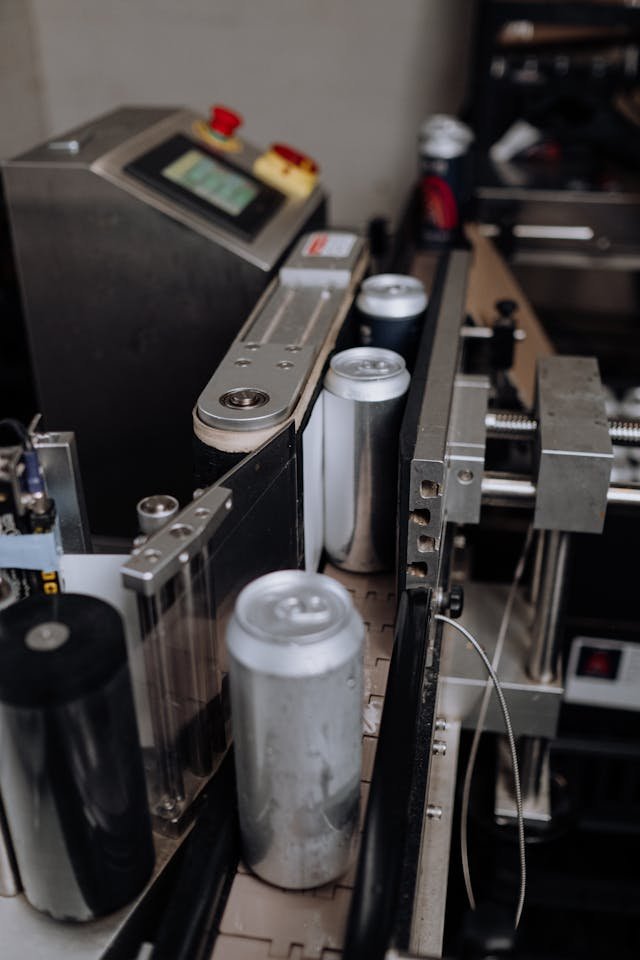
A new and innovative legislation in Colombia provides legal support for this type of insurance, but what does it mean? What changes does it bring? Could this be the first step?
A Brief History
Parametric insurance began to be offered in a structured way around the year 2000, initially focused on agricultural risks and later on catastrophic events. The main objective of this type of insurance was to provide faster and more effective protection against climatic or natural risks that affect properties or crop yields.
To achieve this, a methodology was developed to relate parameters (wind intensity, hail, or Richter scale) to the extent of the damage caused, in order to determine the scope of a loss based on the parameter that occurred. This approach streamlined the entire valuation and indemnification process without the need for additional information.
Naturally, over the years, claims experience has helped refine the initial parameters, providing valuable statistical information for actuaries and underwriters. Subsequently, this type of insurance has expanded to other coverages, such as risks in the tourism sector—for example, compensating if the number of sunny days is lower than expected in a given season, or making automatic payments in case of flight delays.
However, to date, there is no parametric product available for cargo transport insurance. Nevertheless, technology is available to develop this and other products.
Technology as a Driver of New Products
Technological evolution is becoming increasingly sophisticated and accessible, facilitating its use on a larger scale. With a small investment in tracking devices, for example, it is possible to monitor variables such as location, condition, temperature changes, and the overall status of any shipment. These devices also indicate where, when, and who is responsible for the cargo, whether it experienced an impact, and its magnitude. All this data can be obtained from anywhere in the world and in real time.
These devices are increasingly common and provide more precise and accessible real-time data: humidity levels, light detection that signals unauthorized openings of containers or cargo boxes. What this means is that today we have a vast amount of high-quality data that, when a desired set of parameters is established, can accurately identify deviations that would trigger payouts without any need for physical verification.
However, as far as we know, aside from a few isolated attempts, no concrete initiatives for parametric insurance for cargo transport have been identified.
Legal and Technical Gap?
One of the most frequently heard objections in specialized cargo insurance forums is that regulatory rules only allow compensation for an actual loss or damage to goods resulting from a covered event. In other words, for example, it would not be possible to compensate for a loss of value due to a temperature change in a perishable product.
Taking this into account, regardless of whether this objection has a solid legal basis or not, the fact is that in Colombia this issue has been resolved with Law 2294, enacted in 2023, which expressly authorizes the underwriting of parametric insurance for cargo transport.
We cannot help but support the rationale behind this measure, which aims to facilitate the development of insurance in general, encouraging innovation, the creation of new products, and simplifying the entire process from underwriting to claims payment.
Actuarial Objections
The second most frequently heard objection, and certainly more defensible from a technical standpoint, is the lack of statistical claims data to establish a technical premium basis.
The challenge is setting a reasonable premium, because it is well known in insurance that being overly optimistic and lacking information can become extremely risky.
That said, even though there is no specific experience with this type of risk, by consulting various sources, it is possible to obtain a reasonable approximation of a “reference parameter.”
Utopia or Opportunity?
The opportunity is very clear, and as we have seen, it is technologically feasible. However, it must be admitted that there do not appear to be any initiatives in this direction, which makes it a challenging project to implement—in other words, a “utopia.”
The reasons, in my view, are multi-causal. However, if I had to choose one, my impression is that the human and material resources the market dedicates to cargo insurance are increasingly limited, leaving neither the time nor the capacity to develop innovative ideas.
It would be desirable for both insurers and reinsurers, who in recent years have sought to encourage the emergence of so-called insurtechs through competitions and financial support, to allocate some resources to strengthen their technical teams focused on developing new products.
The technology applied to logistics continues its rapid development, and it would be desirable for the insurance sector to leverage it to create more and better coverage.
The technology applied to logistics continues its rapid development, and it would be desirable for the insurance sector to leverage it to create more and better coverage.
José Luis Anselmi
Related
Posts


Advertising
Space

Advertising
Space