From Tracking to Smart Monitoring: The Evolution of Cargo Tracking as a Prevention Tool in Transport Insurance
- Blog
- Reinaldo Andrés Rodríguez Guerrero
- Grupo OET
- 17/11/2025
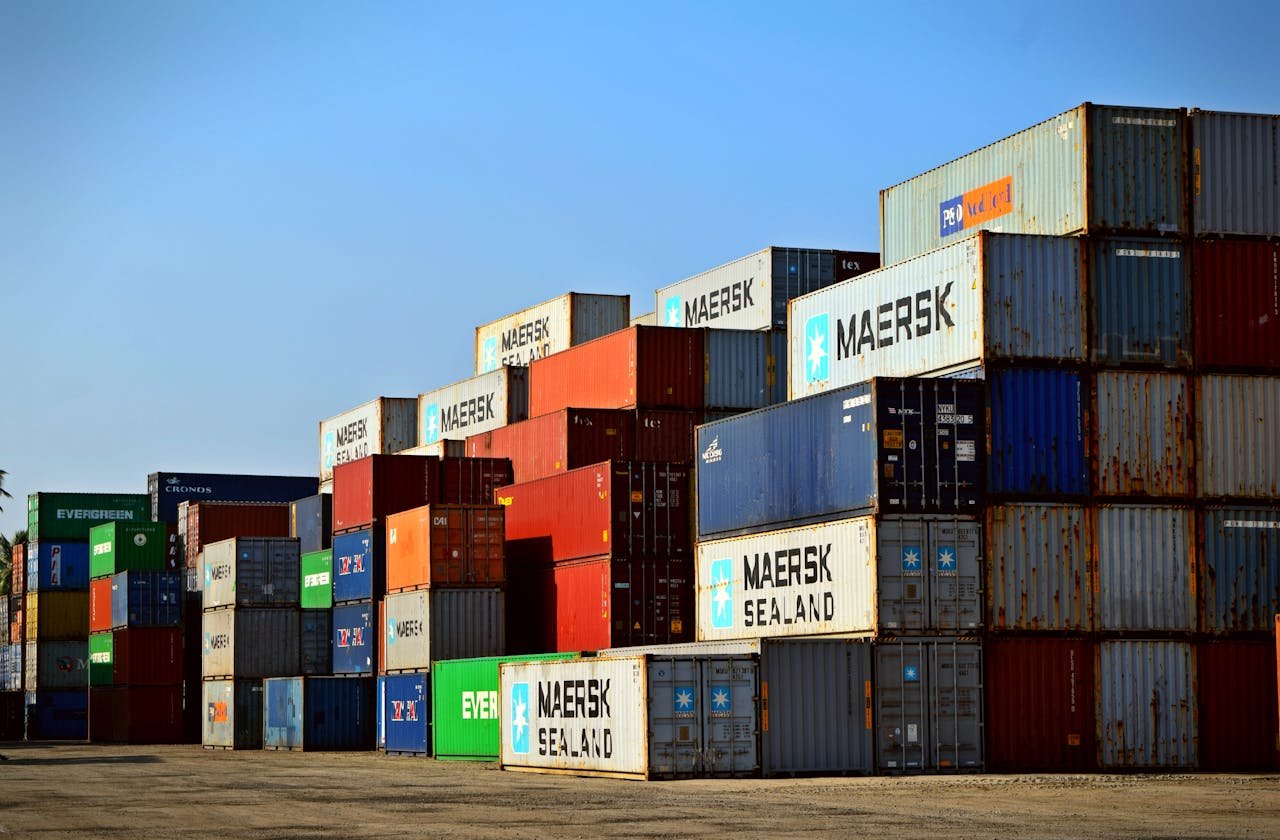

Cargo monitoring has shifted from reactive to predictive thanks to IoT, geofencing, and real-time analytics, enabling the anticipation of risks, reduction of claims, and improved insurance terms. This advancement drives insurers to offer more flexible, data-driven products, strengthening logistical resilience and sustainability.
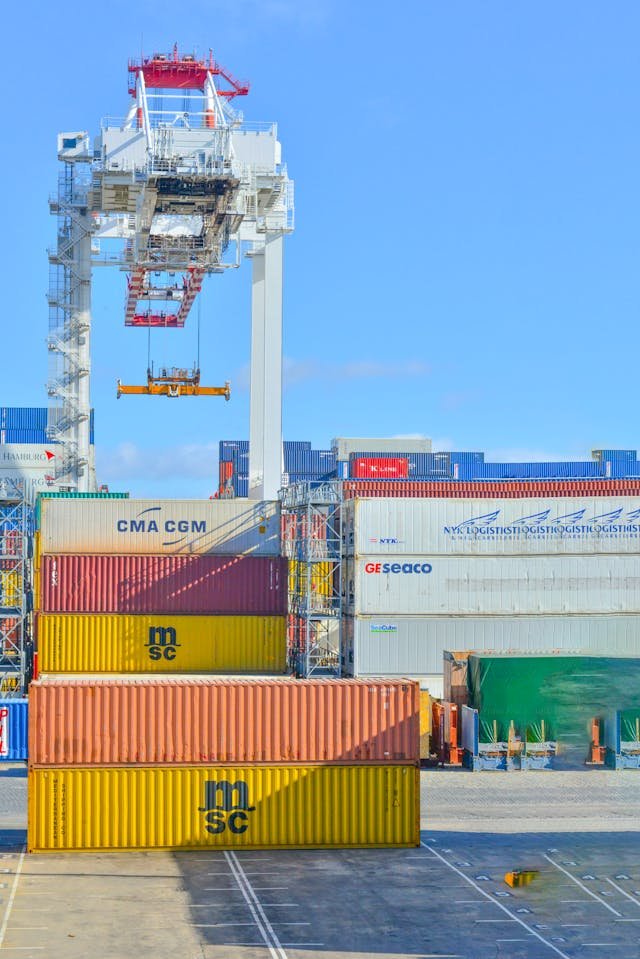
In the modern supply chain, cargo monitoring has evolved from a simple satellite tracking activity into an intelligent tool for preventing losses. Today, technology enables logistics players and insurers to anticipate risks that once seemed inevitable, strengthening the protection of goods and optimizing transport policies.
Traditionally, monitoring was limited to knowing the approximate location of cargo in transit. The approach was reactive: to respond quickly in case of theft or delay, but with little capacity to anticipate deviations, bad practices, or adverse conditions. While this approach represented an improvement over having no visibility at all, it proved insufficient given the increasing sophistication of risks, especially on high-impact routes such as those in Latin America (ALSUM, 2023).
Today, thanks to the adoption of IoT technologies, more robust mobile data networks, and real-time analytics platforms, cargo monitoring has transformed into a predictive solution. Sensors installed in containers and vehicles provide key data such as temperature, humidity, door openings, or sudden impacts. Smart geofences alert to unauthorized deviations and prolonged stops in high-risk areas. Artificial intelligence, in turn, cross-references information on routes, driver profiles, schedules, and historical claims data to anticipate potential incidents (World Economic Forum, 2022).
This technological leap has a direct impact on transport insurance management. Proactive prevention translates into fewer claims, lower frequency and severity of losses, and, consequently, better technical results for insurers (Swiss Re Institute, 2022). For clients, having robust monitoring schemes is now a value proposition that helps negotiate better premiums, lower deductibles, and more favorable policy terms.
The trend in markets such as Colombia, Mexico, and Chile shows that companies adopting smart monitoring solutions report a significant reduction in claims related to theft, contamination of sensitive cargo, or logistical deviations. Companies in the agro-industrial, automotive, and refrigerated cargo sectors that have implemented smart monitoring tools have successfully prevented incidents that, if they had occurred, would have resulted in multimillion-dollar losses.
A legitimate question arises: if monitoring technologies significantly reduce claims, could this lead some companies to perceive less need for insurance or seek to reduce coverage? While this is a possibility, the fact is that risks do not disappear—they transform. Insurers must anticipate this scenario by redefining their value proposition, not only as payers of claims but as strategic partners in risk management.
This implies evolving toward more dynamic, personalized, and data-driven insurance models, where prevention is rewarded, the use of control technologies is recognized, and modular products are offered, adjustable in real time according to risk behavior. In this way, insurance is established not as an avoidable expense but as an intelligent component of resilient and sustainable logistics.
However, this advancement is not without challenges. Initial investment, connectivity gaps in rural areas, and resistance to change among some supply chain actors remain significant obstacles. Therefore, it is crucial to strengthen collaboration between insurers, clients, and technology providers. The goal is to make cargo monitoring a standard, not an optional differentiator (DHL Logistics Trend Radar, 2023).
Today more than ever, monitoring should not be seen as an expense but as a strategic investment in the sustainability of the supply chain and the robustness of insurance programs. In a dynamic risk environment, visibility and the ability to anticipate are assets that translate into trust, competitiveness, and operational continuity.
Ultimately, the evolution of cargo monitoring reinforces the idea that the best claim is the one that never happens. To achieve this, technology, risk management, and synergy among all stakeholders are the best policy to protect every shipment that crosses our routes and seas.
References
- ALSUM. (2023). Overview of Marine and Transport Insurance in the Americas
Latina. Asociación Latinoamericana de Suscriptores Marítimos.
- DHL. (2023). Logistics Trend Radar 6th Edition. https://www.dhl.com/global-
en/home/insights-and-innovation/thought-leadership/trend-reports/logistics-trend-
radar.html
- Swiss Re Institute. (2022). Technology and insurance: How innovation is reshaping
risk. https://www.swissre.com/institute/
- World Economic Forum. (2022). The Future of the Connected World: Internet of
Things Guidelines for Sustainability. https://www.weforum.org/reports/the-future-
of-the-connected-world/
Ultimately, the evolution of cargo monitoring reinforces the idea that the best claim is the one that never happens. To achieve this, technology, risk management, and synergy among all stakeholders are the best policy to protect every shipment that crosses our routes and seas.
Reinaldo Andrés Rodríguez Guerrero
Related
Posts


Advertising
Space

Advertising
Space