Climate change is increasingly affecting different regions of the planet. Some areas of the planet are getting hotter, while others are experiencing more rain or waves of snowstorms. For example, in 2024, Panama experienced one of its worst droughts, affecting the Canal and, consequently, maritime trade flows.
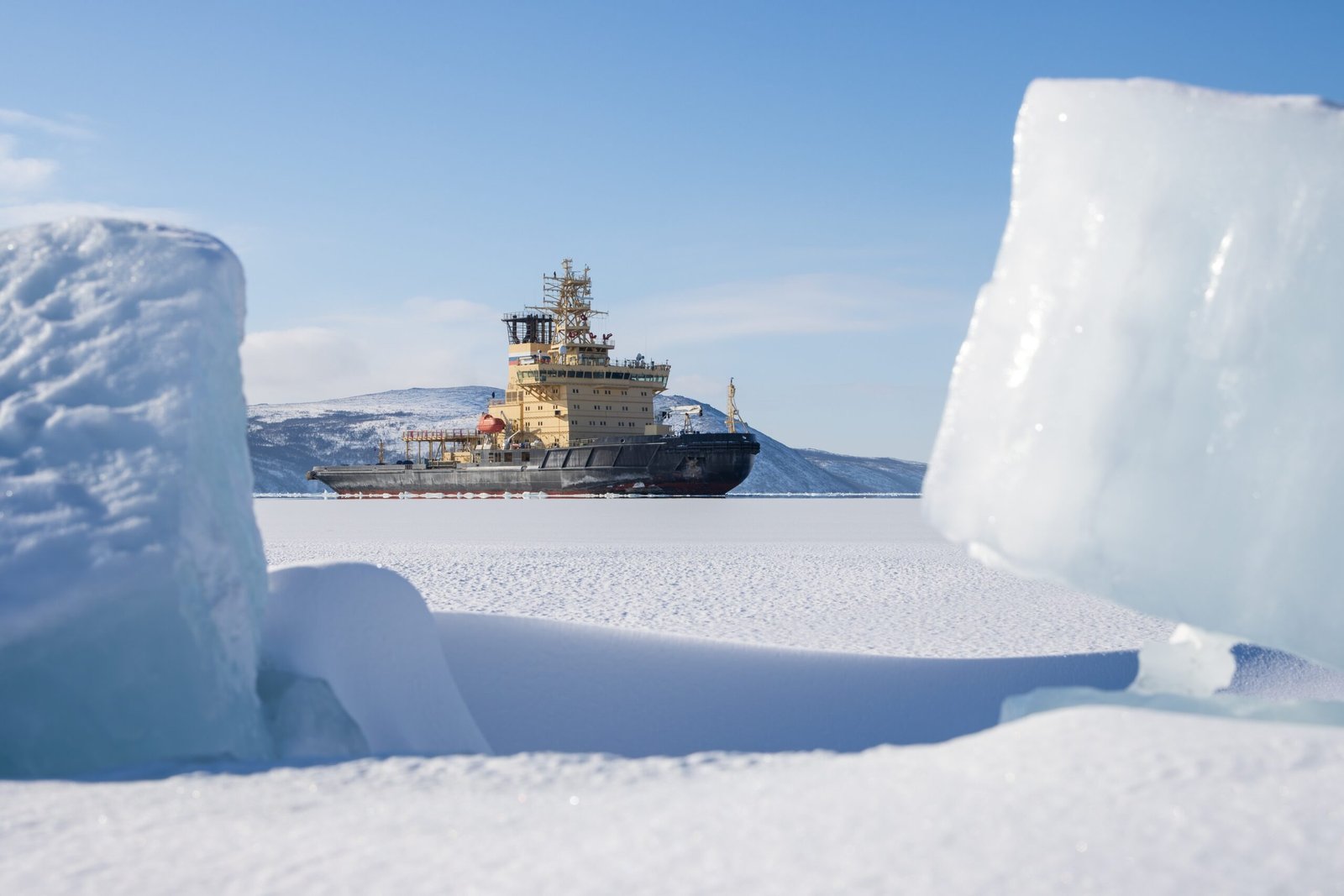
Now, in 2026, the Arctic is thawing at a faster rate, reducing its thickness and extent. This phenomenon could affect sea levels, nearby coastlines, and other environmental impacts. But it also means that it is becoming a new corridor for navigation, as well as for resource exploitation and the strategic projection of power.
Since the Arctic is not a continent but an ocean surrounded by sovereign states, those countries are: the United States, Canada, Russia, Norway, Denmark, Iceland, Sweden, and Finland. Given the new climatic circumstances, this area is becoming a hotbed of opportunities.
The interests are economic, energy-related, military, and scientific. In addition, countries such as China and Russia have expressed a growing strategic interest in the region. The Arctic is rich in mineral resources and energy potential. But the real structural change is in the sea.
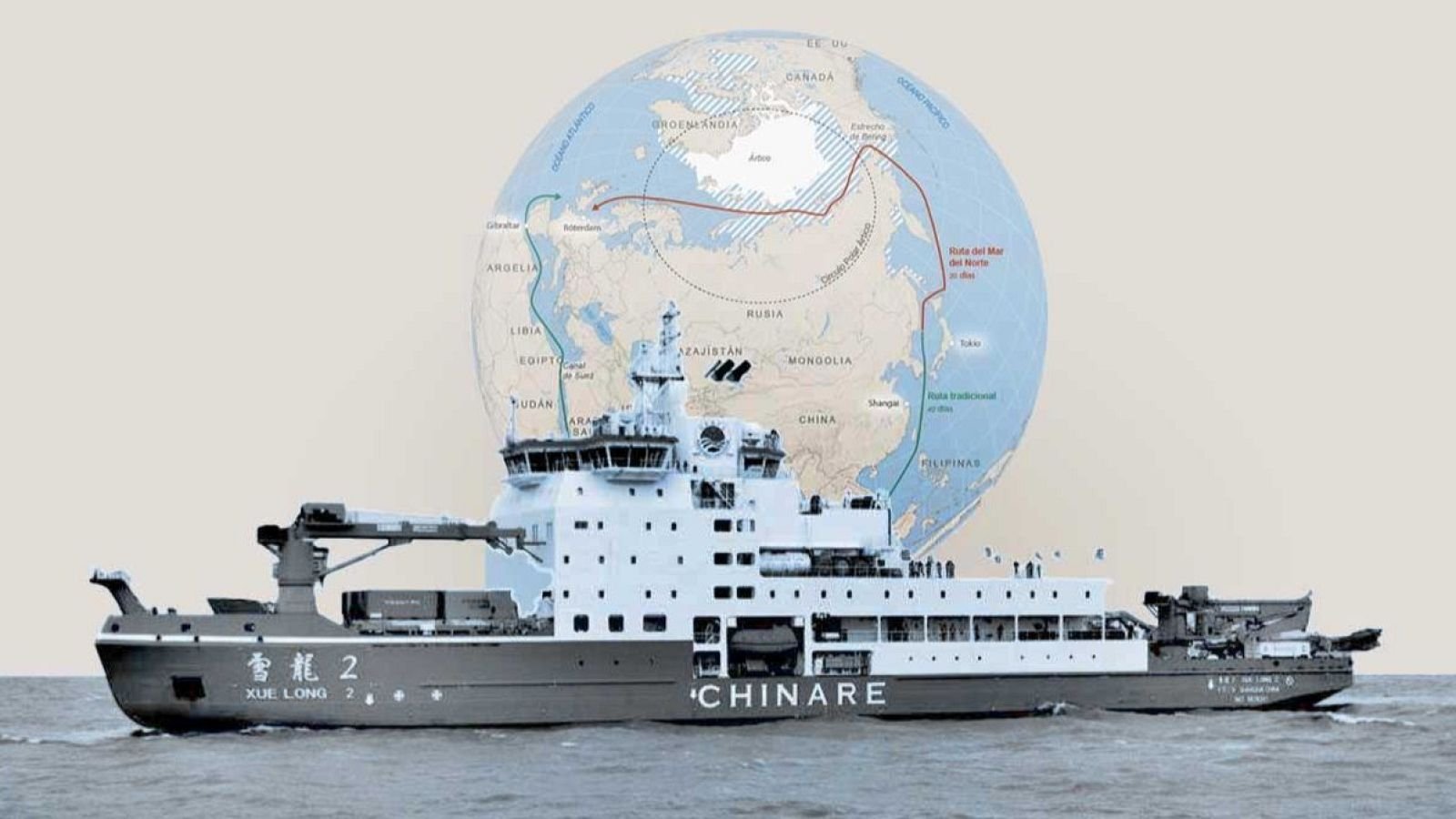
The retreat of the ice is extending navigation windows, as in the case of the North Sea along the Russian coast, which can reduce the distance between Asia and Europe, unlike the traditional route through the Suez Canal. The Arctic is beginning to emerge as a potential new highway for global trade.
This situation could have an impact on hull, P&I, environmental liability, and cargo coverage. It could also open the door to other solutions, such as specialized coverage for polar navigation and others.
The Arctic is thus becoming a region in transition, combining climate change, strategic competition, and logistical transformation. Although Arctic routes do not yet replace traditional major corridors, being in the spotlight of countries is influencing geopolitical decisions, infrastructure investments, and shipping routes.
Sources:
https://www.theguardian.com/world/2026/jan/15/greenland-new-shipping-routes-hidden-minerals-and-a-frontline-between-the-us-and-russia?utm_source=chatgpt.com
https://www-dfwworld-org.translate.goog/arctic/?_x_tr_sl=en&_x_tr_tl=es&_x_tr_hl=es&_x_tr_pto=tc
https://www.economiadigital.es/galicia/opinion/las-rutas-maritimas-del-artico-la-lucha-por-su-control.html
https://www.rtve.es/noticias/20260123/asi-carrera-por-artico-via-comercial-mas-codiciada/16905752.shtml