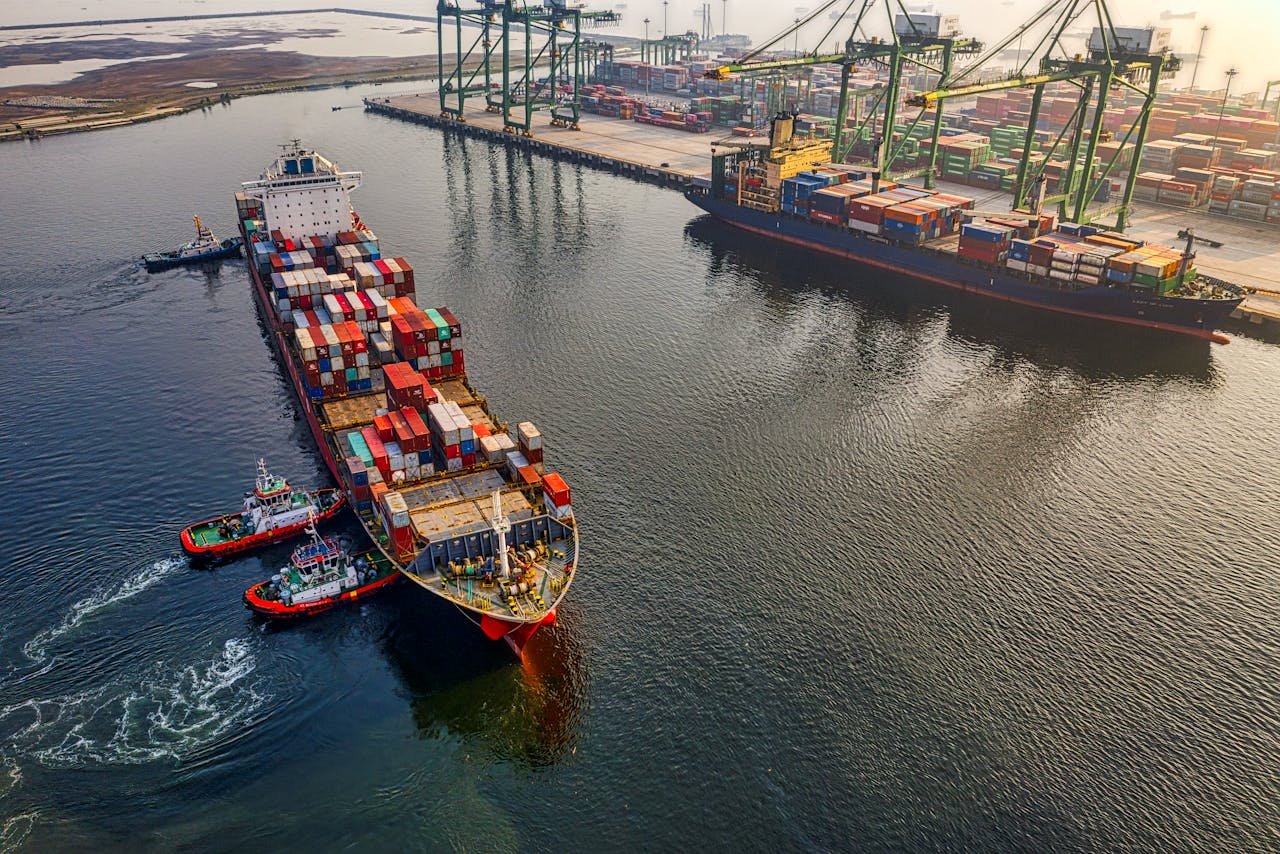


The maritime industry, as a fundamental pillar of global trade, is currently in a crucial stage of transformation. With more than 80% of international trade transported by sea, the growth of this sector has significant implications for various areas, including the insurance and reinsurance sector, in which we have a particular interest.
By 2025, a considerable increase in the volume of goods transported is expected, driven by post-pandemic recovery, the growth of trade in emerging markets, and the development of green and sustainable technologies in ships.
One of the most important growth drivers will be the transition to sustainable fuels, such as ammonia and hydrogen, which will help reduce carbon emissions. This shift not only complies with stricter environmental regulations but also creates new opportunities and challenges for the insurance and reinsurance sector. The implementation of novel technologies entails additional operational risks, from the handling and storage of alternative fuels to the adaptation of port infrastructure; therefore, (re)insurers will need to accelerate adjustments to their policies and/or technical analyses to find ways to cover these emerging risks, which will affect premium levels for certain types of coverage, such as marine liability and/or hull insurance.
It is also important to consider that the digitalization of the maritime industry is revolutionizing logistics and maintenance operations. Autonomous ships, which are already in the testing phase, promise reduced human error and greater efficiency. However, the widespread implementation of these systems also increases vulnerability to cyberattacks; by 2025, the maritime insurance sector is expected to promote greater cybersecurity coverage, as threats to operational and navigation systems can have catastrophic consequences in terms of operational disruptions and potential environmental damage.
On the other hand, the growth of global trade is leading to increased port congestion, which can translate into higher logistical risks, such as delivery delays and cargo deterioration. In this context, the sector will need to innovate with products that cover not only physical losses but also economic losses resulting from supply chain disruptions.
In conclusion, the maritime industry is expected to experience significant growth by 2025, which will have a direct impact on the insurance sector. The key for insurers and reinsurers will be to adapt to technological and environmental changes, developing more sophisticated and agile products that mitigate emerging risks and capitalize on new opportunities.
Markets that are able to anticipate these changes will be better positioned to lead in an increasingly dynamic and challenging sector.